Inherited Anxiety
Anxiety has always felt personal, like something wrong with me. It wasn’t until I looked at the patterns around me — the planning, the instinct to expect the worst — that I realized it was learned.
Listen to the story:
How long can one person take to brush their teeth, choose the right pair of shoes, do their makeup, and style their hair? The answer is two episodes of Pretty Little Liars.
The first day of high school is supposed to be exciting — the beginning of a new chapter. I knew it was a bad start to my day when I dragged out every step of my morning routine because once I was ready, I had to leave the house. My first day of Grade 9, all I could think about was how badly I wanted to watch one more episode of my show.
Even as a little girl, I liked things to be planned out and predictable. If plans changed at the last minute, my mind would immediately jump to what could go wrong and how I would handle it. Even before I understood where that worry came from, I had heard stories about my grandma’s anxious nature — a reminder that some fears might travel through generations.
This makes me wonder where anxiety really begins. How much of what I feel is shaped by my own experiences, and how much of it is passed down through genetics?
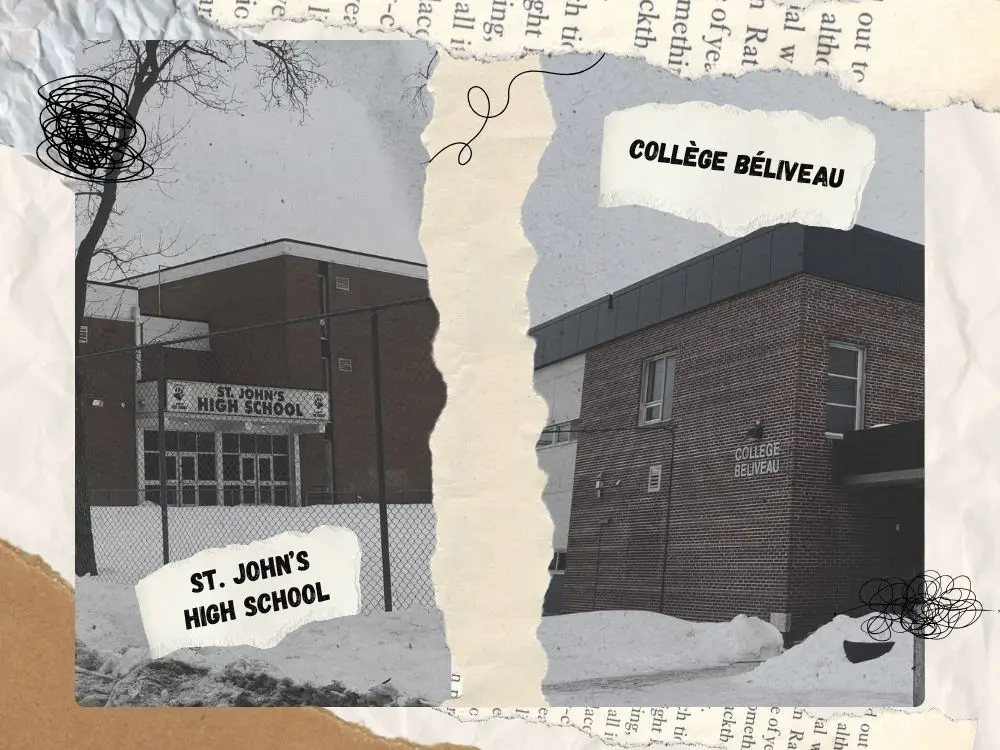
2019: My First Day
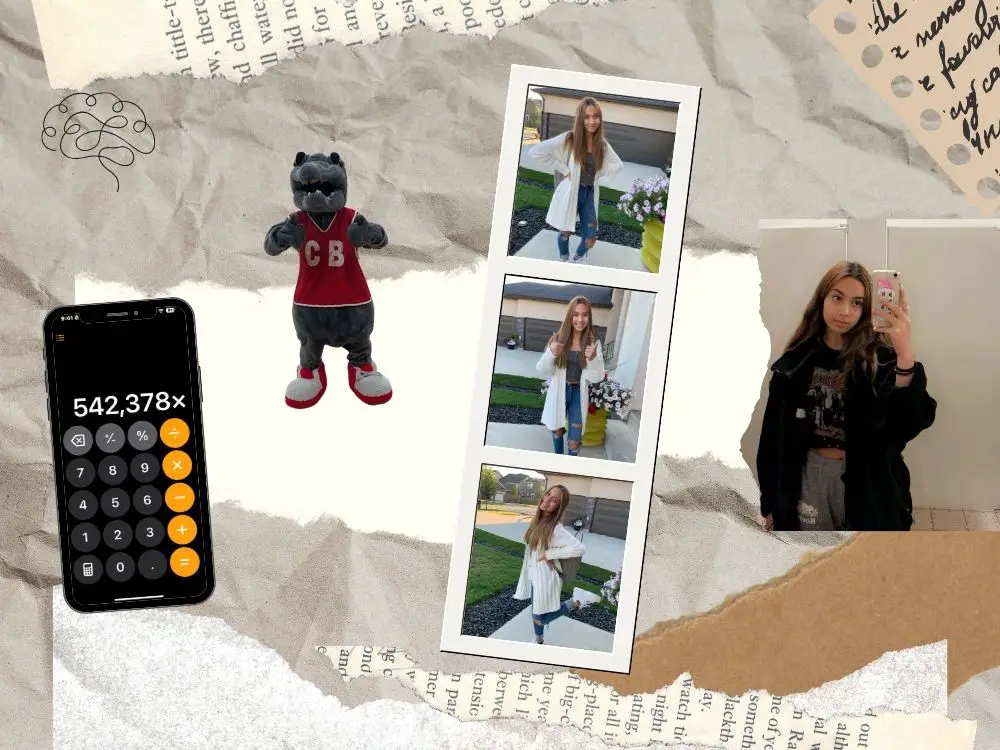
My mom was already driving off, yelling out “Have a good first day, love you, Gab!” through the car window with her elated mom voice. As soon as the car turned the corner and my escape was gone, panic set in. My heart was beating fast and sweat pooled in my underarms. My stomach felt like it was eating itself as I stepped closer to the front doors. I tried to picture the layout of the hallways and what I would do once I got inside. If I didn’t know where to go, that would be embarrassing.
Groups of people were gathered in the cafeteria, with voices overlapping and chairs scraping across the floor. They had known each other since middle school and already had their friend groups. I was the new girl without one.
I sat on a couch tucked away in the corner and glued my eyes to my phone so I wouldn’t look awkward, even though I was just switching between the weather app and the calculator app. Around me, people hugged friends they hadn’t seen all summer, complimented each other’s outfits, and compared semester schedules. Sitting there, I felt a mix of loneliness and embarrassment, like I was the only person who didn’t know how to be confident on the first day.
I was eight minutes early to my first class and chose the spot closest to the back. When the bell rang, my heart dropped. I watched my classmates come into the room through my peripheral vision. The teacher opened with the usual “welcome to your first day” speech, but I couldn’t tell you what she said after that. I was too busy paying attention to myself.
Wait — did the teacher call my name? Am I making a “trying too hard to focus” face? Oh no, my leg’s bouncing so fast the chair is squeaking. Stop. Inhale. Exhale.
I tried to slow things down, counting each breath because it was something I could control. An article from Healthline says that this technique — known as box breathing — is a form of deep breathing that can help slow the heart rate and distract the mind from anxious thoughts. Halfway through the class, I became painfully aware of my breathing and my body. I started to get hot flashes, and I had to take off my cardigan.
This all sounds so dramatic, but that whole day, everything felt more intense than it should have.
1979: Her First Day
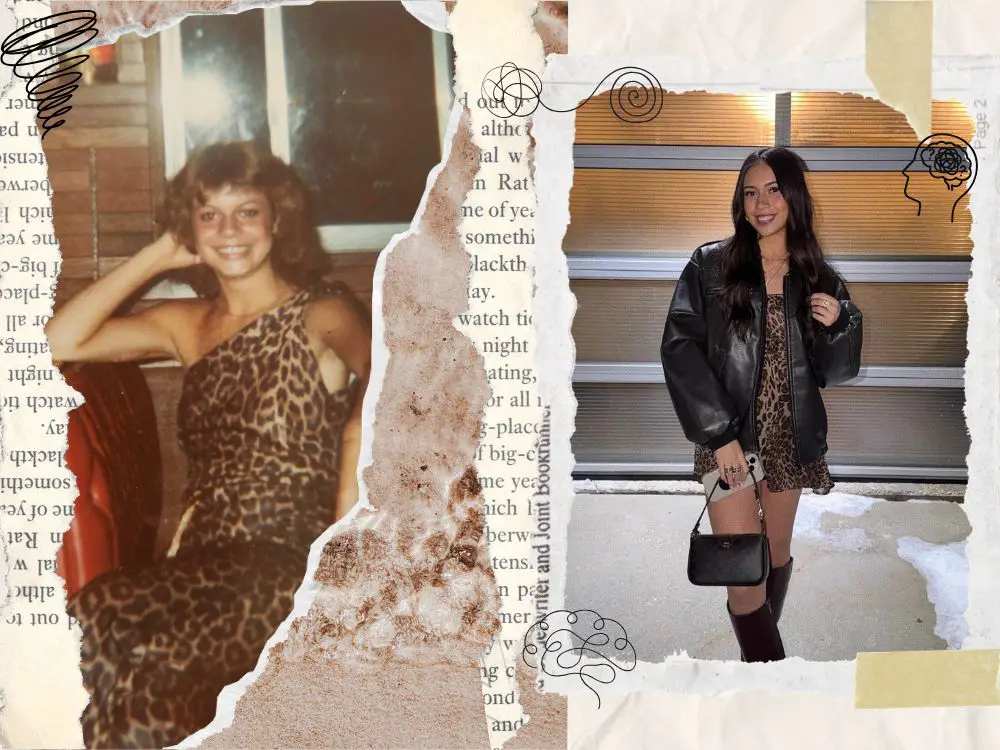
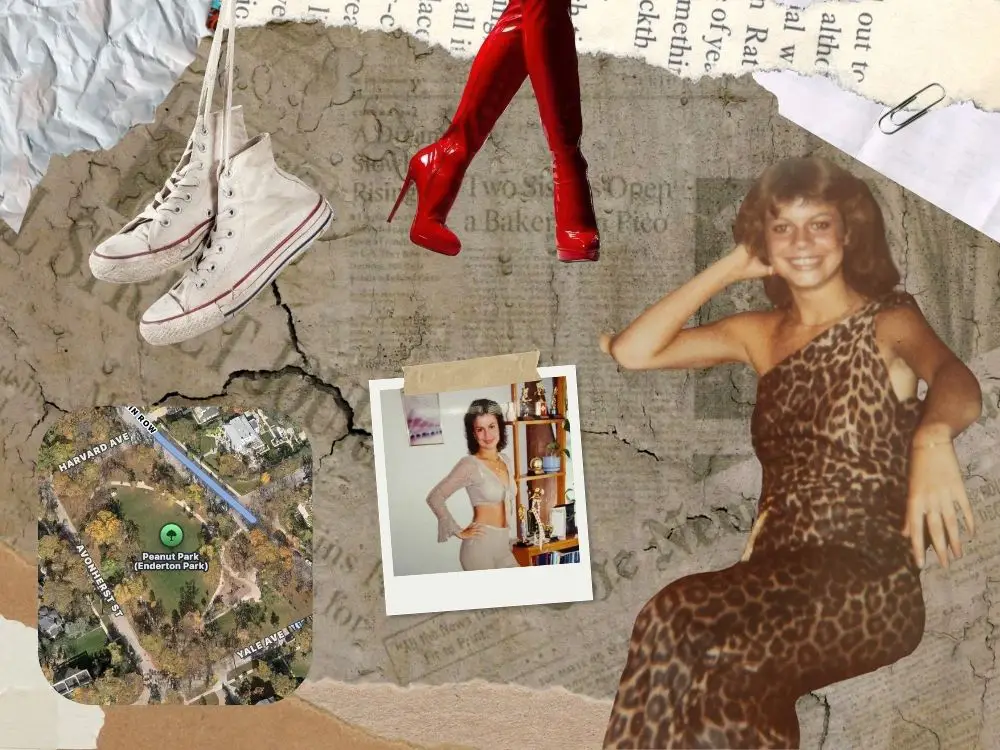
Marcia, my grandma, spent a long time getting ready for her first day of high school too. The night before, she had laid her outfit across her dresser: a sheer lace camisole, tight black leather pants, and a pair of bright red boots.
Marcia couldn’t afford a lot growing up, but that never stopped her. She loved fashion. When she had a vision, she found a way to make it happen. To start, she would buy a piece she liked with the lunch money her mom gave her, take the item home, copy the clothing pattern, sew her own version, and return it the next day.
She was ready to walk the school hallways dressed like she had something to prove. Every detail of her outfit was intentional, like armour. She told herself she was excited, that her fast heartbeat and restless energy meant anticipation. But maybe that feeling was something else.
Marcia walked through the front doors of St. John’s High School and into the main hallway, where lockers lined the walls and students filled every inch between them. Voices echoed as she walked to first period just before the bell rang. She chose a spot near the back of the class.
Before her teacher spoke, she could feel her peers’ eyes on her, followed by whispers and quiet laughter. Then the teacher announced everyone would go around the room and introduce themselves.
One by one, the students gave their name, listed one fun fact about themselves, and said one thing they did over the summer. When it was her turn, she stood up and spoke slowly. “My name is Marcia. One thing about me is I like to sew clothes, and I bought three new patterns this summer because I wanted to make something comfortable for school.”
Almost immediately, someone asked her to repeat herself. She sat back down as heat rushed to her face. They were mocking the way she spoke.
“Say that again — it’s not tree, it’s three,” one of her classmates said. “It’s comfortable, not comfort-table.”
When Marcia immigrated to Canada from Guyana in the late 1970s, her accent made her an easy target for people to criticize. She went through the rest of the day quietly, keeping her hand glued to her desk whenever a question was asked.
2019
Being late meant walking into a room where everyone was already seated, where heads might turn, and eyes would land on me. Even the idea of that small moment of attention made my whole body sweat, so arriving early felt like the safest option. I would describe myself as type A, very organized, and I like things a specific way. All hell breaks loose if something doesn’t go the way I planned it in my head.
Later that year, I learned I had an anxiety disorder. After months of trying to understand why I felt constantly on edge and overwhelmed by things that didn’t seem to bother other people, I started learning more about anxiety. That’s when I finally got a name for the way my body and mind had been working against me.
Anxiety is a mental health condition defined by persistent and uncontrollable fear or worry about everyday situations. These fears often interfere with daily life and cause physical symptoms like rapid heartbeat and thoughts that are disproportionate to an actual threat.
In a Psychology Today article, Jennifer Caspari writes, “Anxiety often ‘misfires’ like a malfunctioning alarm and tells us there is a threat or danger in the moment when there is not.” Basically, it triggers a stress response even when there is no immediate danger, which explains why symptoms sometimes feel physical before they feel emotional.
That’s exactly how I felt that day: like I pulled a fire alarm even though there wasn’t a fire.
Everyone feels anxious sometimes, and that’s normal. But my kind of anxiety is constant, intense, and interferes with how I live my everyday life. When I have an attack or get worked up, my emotions heighten, and I can’t process things rationally because my brain is in fight mode. It’s kind of like a champagne bottle that’s been shaken: all pressure and no control, so I can’t regulate my emotions until the pressure of the bubbles settles.
1979
After her classes were finished later that afternoon, Marcia went to the gym to cheer on the boys’ basketball team at their home opener. The gym smelled like sweat and rubber. A girl walked up to Marcia with her shoulders squared and looked down at her.
“You are such a slut in those red boots,” the girl said loudly in her face.
Marcia didn’t think or process, she just reacted. After a morning of being teased for her Guyanese accent — and hearing classmates tell her to “go back to your country”— it all came to the surface at once. Marcia’s left hand came up and decked the girl in the face. The girl bled — a lot. One hospital visit and a couple hours later, it was confirmed she had a broken nose.
Word spread quickly. After a first day full of teasing, Marcia became known as the tough girl, the one who would fight back.
“I hated high school. My way to survive in that environment was to fight,” she said.
Anxiety wasn’t something people talked about back in the 1970s. Mental health was barely on the radar. Looking back now, she says her biggest regret is no one taught her how to talk about what she was feeling. Eventually, her brain learned to expect danger in everyday situations.
“I didn’t know the word ‘anxiety,’ but I knew the feeling — my brain never stopped preparing for something to go wrong.”
2019
My first day of high school didn’t feel calm or structured. It felt chaotic, like my mind kept jumping from one worry to the next. The bell rang at 3:40 p.m., and all the tension in my shoulders dropped. I had made it through the day and got to go home. As I got into the car, my mom asked how my day was. “It was fine,” I said. While this is a typical response of a teenager who’s annoyed at being asked questions, technically it was true; nothing bad had happened. But by the time school was over, I felt completely drained.
I could feel the frustration bubbling under my skin. My chest tightened, my hands trembled, and everything my mom said annoyed me. I snapped at her over the question “tell me about your day,” something I normally wouldn’t have an issue responding to. Thus started the mother-daughter yelling war. It wasn’t about her; it was me, all the panic and embarrassment from my day spilling out at once. I went to full fight mode, and in that moment, my anxiety turned me mean.
I couldn’t explain why I acted this way, at least not at the time. Back then, my Grandma Marcia called it worry. Now we both call it anxiety.
Our Patterns
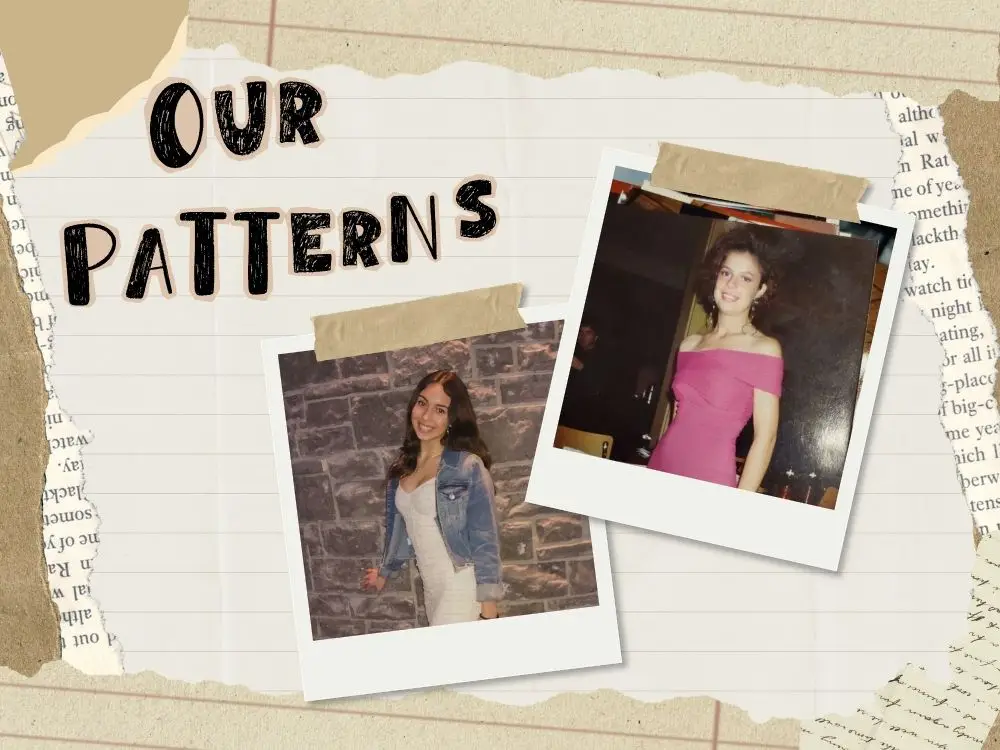
When my Grandma Marcia told me about her first day of high school, the similarities were obvious. Even in the differences of decades and reasons for our “worry,” we shared that same reaction: our bodies and minds went into fight mode.
Marcia always kept a pair of running shoes in her backpack in case she needed to go to Peanut Park to fight. It was the known spot for an organized scrap. Bringing her shoes was her way of being ready, of not getting caught off guard. Her body learned that danger could strike anywhere, at any time, and that preparing for it felt like protection. Over the years, she did get into more fights, but it wasn’t reckless — it was a way of standing her ground and defending herself. Looking back, it fits with what I know of her: strong, determined, and always prepared.
I didn’t keep running shoes in my backpack. Instead, I stayed mentally ahead of everything — replaying conversations before they happened, planning exits, bracing for embarrassment before it could happen. Each day felt like preparing for a battle I hoped wouldn’t come. Where she prepared her body to run and fight, I prepared my mind. Different decades, different threats, same instinct: brace yourself, just in case.
Seeing my anxiety as something I had learned to anticipate and manage, rather than as a character flaw, made me realize it was part of a pattern shaped by history, environment, and perhaps even genetics. An article about family history and generalized anxiety disorder from the Journal of Clinical Psychology says that it is likely that a child who witnesses chronically anxious or worrisome behaviour in a parent or important relative may begin to model that same behaviour.
Kids who grow up around anxious environments often pick up the same patterns, especially when genetics are already making them more sensitive to stress. So, because I grew up extremely close to my grandma, her anxiety likely played a part in how I learned to respond to stress.
When my mom travelled for a week or two, my grandma would stay at our house. I was old enough to watch my little siblings — six years older than my brother and four years older than my sister — but she still came anyway, half-joking that it was her “Airbnb getaway.” Really, she was there to make sure we were well fed, got to school on time, and everything was taken care of.
At 7:00 a.m., I’d hear her slippers against the hardwood floor and the zipper of our lunch bags being closed. My grandma always wrote a note and left it on the kitchen island. “Have a great day. Love you. BE YOU,” written in messy cursive capital letters.
She found comfort in knowing we were okay. But “okay” meant organized, on time, and ready for whatever could go wrong. If the bus was late, she’d start pacing by the front window. If one of us forgot something upstairs, she’d run to get it.
I watched all of this without realizing I was learning it.
Being responsible meant thinking three steps ahead. That love could look like double-checking. That stress was managed by planning early and imagining every possible outcome. And because I was the oldest, I took that role seriously. I reminded my siblings about homework. I checked the time constantly. I felt like it was my job to make sure everything ran smoothly.
Now, when plans change or something unexpected happens, my body reacts before I can stop it. I move into problem-solving mode, just like she did. What once looked like care and protection slowly became the way I learned to handle stress myself.
Studies show that anxiety can run in families, meaning there is a genetic component that makes some people more vulnerable to developing it. This doesn’t mean anxiety is inevitable; it means the starting line isn’t the same for everyone. Supportive relationships, healthy routines, and coping strategies can help protect against anxiety and build resilience.
What’s especially important is how environment interacts with those genes. This is where epigenetics come in. Epigenetics refers to how chronic stress, fear, or trauma can affect the way genes function without changing the DNA itself.
That’s why the time I spent observing my grandma matters. I can’t help but wonder if watching her plan everything and stay alert taught my brain what “normal” looks like. Over time, it may have wired my brain to stay on high alert, even when nothing was wrong.
When I was 13, I travelled to Montreal with my mom and my grandma for a girls’ weekend. We were squeezed into three seats on the plane, the kind where there is nowhere to rest your shoulders without touching someone else. The cabin smelled like stale bread. As the plane began its slow start down the runway, my grandma gripped the seat in front of her tightly and ground her teeth together. Her knuckles turned sort of pale. Then, she pressed her back hard into her seat, like she was bracing for impact instead of takeoff.
I told myself I’ve flown before, but I could feel my heart rate going up. I started watching the wing out the window, scanning for anything unusual — a flicker or a shake. Every bump felt bigger than it probably was.
My mom, calm as ever, looked at me and said, “Gabby, you’re feeding on her anxiety, chill out.”
She wasn’t saying it to criticize either of us. Just stating something she noticed, and she wasn’t wrong. I wasn’t scared of flying; my body was mirroring my grandma’s. It was another example of how closely I had absorbed her way of responding to stress and anxiety.
Seeing anxiety as both genetic and learned helps explain why it can feel so ingrained, like it’s part of who you are. But knowing both of those things can be true at the same time, it also offers a sense of relief, at least for me. If anxiety is shaped by experience, then becoming aware of where it comes from gives me more control over how I respond to it. With that awareness comes a kind of power — the ability to pause instead of automatically reacting.
2026: Full Circle
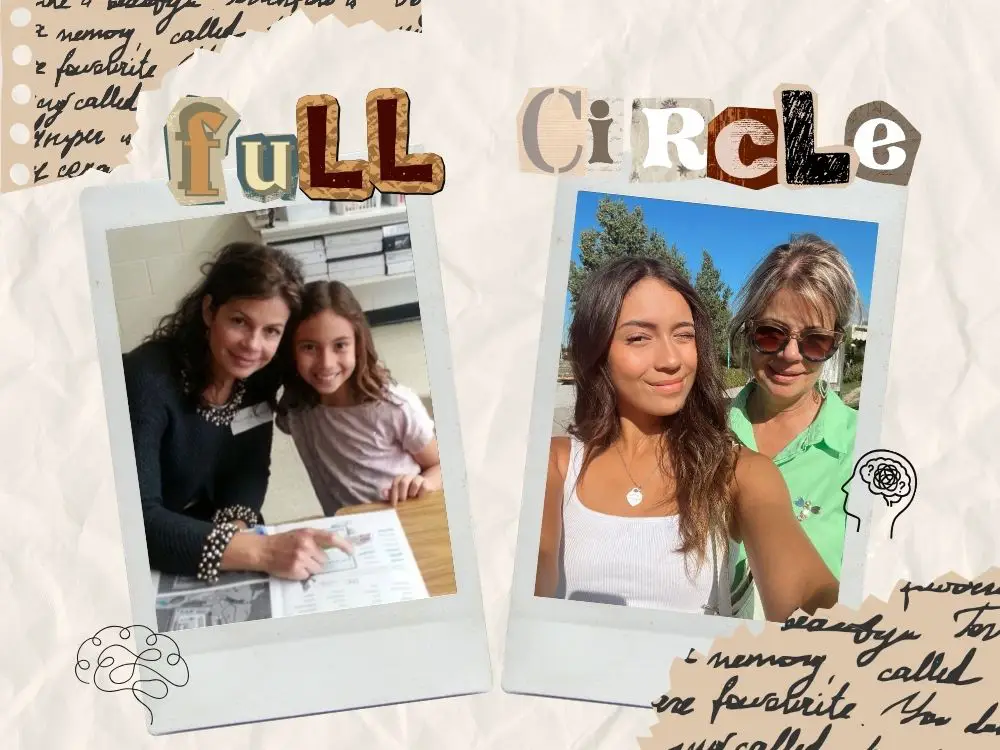
Now, my grandma works in mental health, supporting families and caregivers through a community-based organization that offers guidance and resources for those navigating mental health challenges. She helps them understand what’s going on inside the brain, teaching the neurobiology behind anxiety and BPD disorders, and explaining how changes in the brain can affect behaviour and emotional responses. She does this work through phone calls and online sessions, offering advice and support to anyone struggling to understand a loved one’s experiences. I always say she’s like a personal hotline for mental health guidance.
Instead of telling families to “just put up” with the behaviour, she teaches them how to respond without panic or anger. Watching her teach this taught me something important: behaviour isn’t random, and it isn’t always a choice. Learning about her experience and what she does for her career now has helped me be gentler with myself.
I notice the tightness in my chest before a conversation, or the way my stomach knots when I imagine something going south, and I try to pause instead of letting panic take over. Some days it’s exhausting, and I still spiral into “what ifs,” but each time I stop and slow my breath, it feels like reclaiming a little control — reminding myself that it’s okay to feel anxious, even if my body thinks the world is ending.
We’re not trying to erase the past. We’re learning from it, noticing the patterns, and choosing not to carry them the same way.
By probing the source of anxiety in my family, I started to see that anxiety isn’t just something happening to me — it may also be connected to the experiences my grandma carried with her when she first came to Canada. Even though other members of my family don’t experience anxiety the way my grandma and I do, it’s still something we’re all learning how to navigate. It wasn’t until I began struggling with anxiety myself that I started to see how fear, stress, and hyper-vigilance were ways my grandma had learned to survive in certain environments.
The intergenerational stress responses I inherited from my family shaped how I learned to move through the world. My grandma and I shared that instinct. She worried because she had learned that safety could disappear quickly. I worried because I learned that being caught off guard felt unbearable. My mom was the opposite. She is calm and laid-back, and became my safe space, but that difference also caused tension. When plans changed or mornings ran late, my anxiety spiked. I shut down any rational response and went straight to frustration, and it usually landed on my mom because she was the one who felt safest to fall apart around.
When my grandma talks about her high school years now, she does it with humour and a kind of hard-earned wisdom. She understands how much those experiences shaped her. Her brain learned to expect danger in places that were supposed to feel safe. That instinct followed her into adulthood, into how she raised her kids, and eventually into how she worries about her grandkids, me and my siblings.
In trying to protect us, she taught us how to stay alert. In learning to stay alert, I learned how to be anxious.
My grandma doesn’t have a mental health diagnosis and doesn’t take any medication for anxiety — “at least not yet,” she jokes. But anxiety doesn’t need paperwork to exist. She is very aware of how her body reacts to stress. Over the past seven years, I’ve been paying close attention to how anxiety shows up in my own body — noticing triggers, patterns, and physical sensations. When my anxious thoughts start to take over, I use a grounding technique: I name five things I can hear, four things I can see, three things I can touch, two things I can smell, and one thing I can taste. This simple exercise slows my racing mind and brings me back to the present, giving me a small sense of control when everything feels like it’s spinning out of reach.
Understanding my grandma’s story didn’t make my anxiety go away. I still get overwhelmed when plans change or feel out of my control but understanding why my body reacts the way it does has changed how I go through life.
If anxiety is something that was learned over time, maybe I can unlearn parts of it too.
What’s different now is that we talk about it. I don’t live with my grandma, but she’s only two blocks away, so we see each other all the time. Most of our hangouts consist of reorganizing her closet or gossiping about what’s going on in our lives. Somehow, the conversation almost always drifts to mental health and how we are doing.
When she notices me spiralling, she reminds me that it’s okay to adjust. That not everything has to go exactly right for me to be safe. In those moments, it feels like we’re breaking a cycle together.
I’m 20 now. I still get anxious, but I know where it comes from. Some mornings, I still take too long getting ready. I still reach for my phone and scroll through the weather app to look like I’m busy. When I catch myself doing that, I try to pause and put my phone down.
I think about my grandma walking into school in her red boots and the vigilance she carried — noticing patterns, preparing for the unexpected, and staying aware of her body and surroundings. Those same strategies are now guiding me as I continue to learn and manage my own anxiety.