Bent Not Broken
As someone who grew up with scoliosis, I often felt alone in my experience. While I didn’t have peer-support as a kid, I recently talked with two other people who also grew up with the condition. I hope our stories will resonate with other young people who are dealing with bracing or surgery.
Listen to this story:
I heard the faint ticking of the clock as I stared at the stucco ceiling. I counted down from one thousand in my head, hoping that I would drift off at some point, but I couldn’t. Hundreds of thoughts were floating through my mind. In the morning, I was going to have the first of two surgeries to correct a 58-degree curvature of my spine. My life was about to be turned upside down, and all I could do was wait.
It’s one thing to get life-altering surgery in emergency circumstances, like after a car accident, but my surgery wasn’t like that. The date had been scheduled nine months prior. In the time leading up to surgery, I lived a somewhat normal 16-year-old boy’s life. However, the date lurked over me. I was inching towards the unknown, not knowing a thing about what I was going into other than what my doctors had shared with me during appointments. If only I had a bit more understanding — someone to talk to, someone who could share their lived experience, someone who could answer my questions.
Years later, I learned that I wasn’t the only one who could not sleep a wink the night before spinal fusion surgery.
Abby Green was ten years old when she sat awake with her parents the night before her surgery. Abby distinctly remembers it. “It was just me, my mom and my dad sitting there…and I was just sobbing, crying because it felt like it had come too soon. I had spent so long trying to distract myself. And then all of a sudden, it’s here and I’ve run out of time.”
Abby is a 20-year-old woman from Nashville, Tennessee. Three months before her spinal fusion surgery, Abby started to tell her parents that her back was hurting, and her clothes weren’t fitting right. “I remember wearing bras used to be so uncomfortable for me, and I thought maybe it was just because I was young,” said Abby.
In May 2016, Abby came in from playing in a mud puddle outside. Her dad hosed her down and noticed the curvature in her back. Her parents were alarmed, and considering her other symptoms, they decided she should see her doctor. Abby remembers how quickly the doctor diagnosed her. “It probably wasn’t even fifteen seconds. It was pretty much all in the same breath.”
“Hey, honey, how’re you doing?” She remembers the doctor asking. “I heard you might think you have scoliosis. Bend over and touch your toes. Yep, you have scoliosis.”
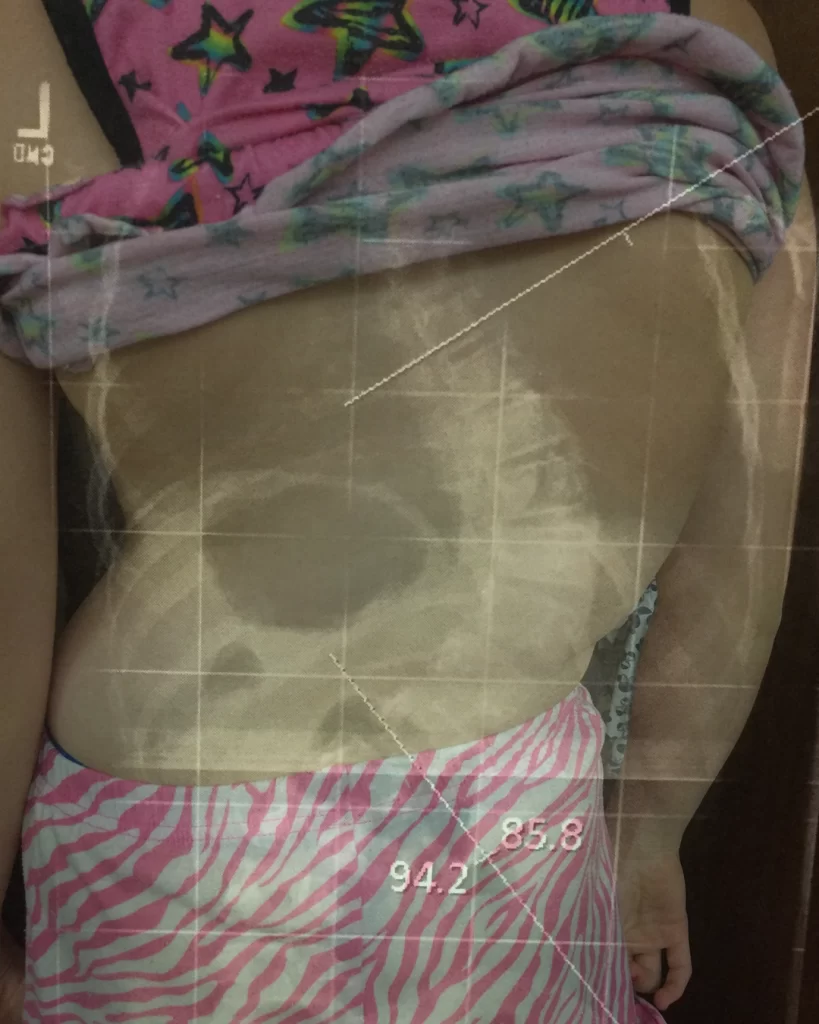
After this initial appointment, Abby was sent to a specialist to get some imaging of her back. They found a severe S-shaped curve, with a top curve of 85 degrees and a bottom curve of 94 degrees. A person without scoliosis has a slight curvature in their spine, but it’s always under 10 degrees. After talking with specialists, Abby’s parents learned that her curvature was too extreme to be treated with a brace. Surgery was the only option. But for many people with scoliosis, bracing is the first line of treatment.
I recently got in touch with my childhood orthopedic doctor, Dr. Norgrove Penny, who explained that scoliosis presents itself in four ways: idiopathic scoliosis, early onset scoliosis, neuropathic scoliosis, and syndromic scoliosis. The most common form is idiopathic, which simply means its cause is unknown. It presents itself in someone who is otherwise healthy. Girls aged 11 to 14 are the most likely to be affected. If the curvature has not progressed too far, and if there is enough time before the person is done growing, bracing will be the first option. This is what I experienced. I was diagnosed with scoliosis at three years old, so I still had lots of time to grow.
Bracing uses a three-point pressure method to hold the curvature of the spine in place. The goal is not to correct the curvature when bracing, but rather to hold the curvature where it is at as the patient grows. Surgery is usually considered a last resort. If the curvature of someone’s spine exceeds 40 degrees, then spinal fusion surgery is the most likely treatment. This is where Abby found herself. She was a rare case where her curvature at diagnosis was already way past 40 degrees, leaving her doctor no other choice than to operate on her spine.
Spinal fusion surgery involves putting rods along the spine to hold it in place as the fusion sets. To create the bone graft for the fusion, donor bone is ground down and turned into a paste. Surgeons then apply it to the spine and around the rods, so it becomes one with the spine and vertebra. Recovering from spinal fusion surgery is a long and arduous process — it can take about a year for the fusion to fully set.
Being diagnosed with scoliosis and having surgery three months later, like Abby did is not typical. Avery Anderson, a 19-year-old in the engineering program at RRC Polytech, was seven years old when she was diagnosed at a routine check-up with her family doctor who noticed her posture didn’t look right. After testing, the doctor was certain she had scoliosis. X-rays confirmed the diagnosis. “I was diagnosed with an S-curvature, with the upper [curve] being more severe than the lower,” said Avery. They opted to monitor her at first, but two years later, her scoliosis had progressed enough that she was put into a back brace.
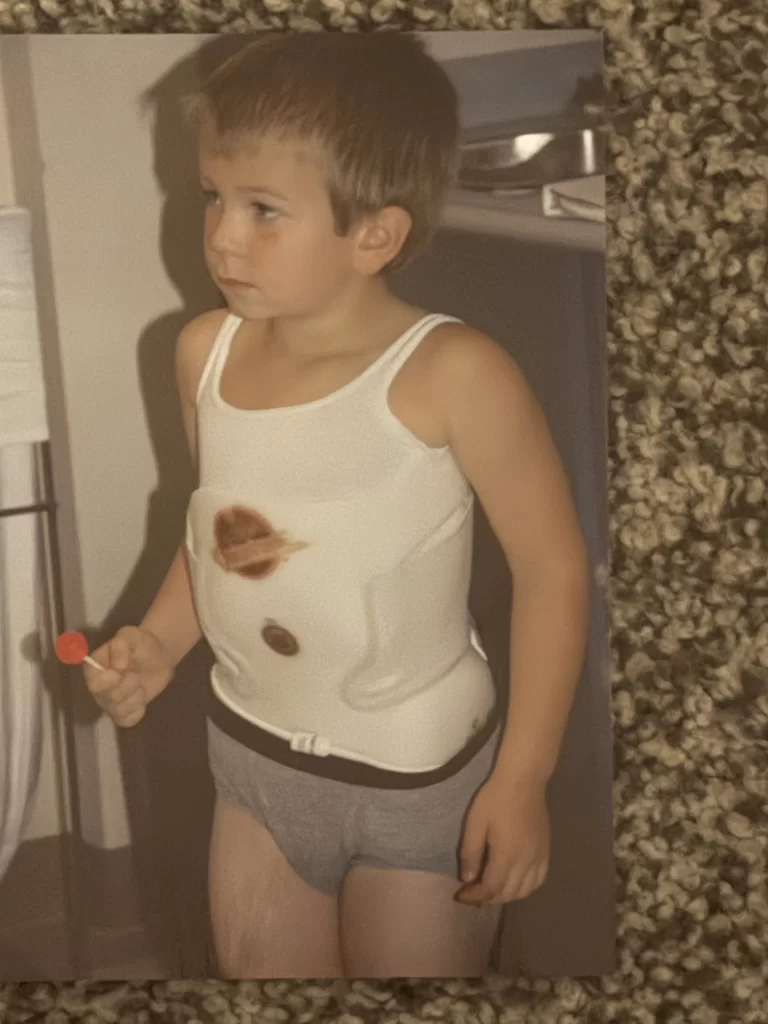
I got my first brace at three years old, shortly after my diagnosis. My mom noticed a concerning lump on my back. I got some X-rays and the curvature was already quite progressed, so I was put into a brace right away. It is quite rare to be diagnosed and braced at such a young age. I wore a brace on and off throughout my childhood. When I was 15 years old, my doctor noticed the brace wasn’t effective anymore. He gave me the option to keep wearing it, or to stop and enjoy life until the scoliosis progressed to the point where I would need surgery. After talking with my parents, I went for it and lived without a brace for almost two years. A month before my 16th birthday, I had spinal fusion surgery.
Abby also vividly remembers the time leading up to her surgery.
“They basically told her to live like she was dying,” said Abby’s mom, Rachel. “They told her she’d walk again, but it was going to be a long time before she was healed [enough] to do anything.”
Abby’s surgery was scheduled for the middle of August, so she enjoyed the summer to the best of her ability, going to outdoor adventure camps, playing with friends, and trying to keep her mind off the impending surgery.
The year leading up to my surgery was similar. I also tried to find ways to stay busy. By this point, my back had started to take a downward turn. My pain was getting debilitating and hindering my ability to walk and run, so I made the hard decision to stop playing high school sports. That was one of the hardest decisions I had to make. Sports were a big part of my life up until that point. I came from a decently sporty family and grew up playing baseball, volleyball, and basketball. Fortunately, I was still able to stay involved on the basketball and volleyball teams as a statistician. I travelled with the teams to games and tournaments and still got to make lasting memories with my friends. I soaked in the bus rides, team dinners, and every big win. Eventually, the seasons came and went, the school year ended, and it was time for surgery.
Eventually, Abby’s August surgery date came too, and everything went relatively to plan. During the surgery they had to break five of her ribs to readjust them, resulting in significant discomfort on top of the sharp aching pain in her spine. “I couldn’t sit for long periods [of] time without being in excruciating pain, and I couldn’t walk for very long at all,” said Abby. Most spinal fusion patients are encouraged to begin standing and walking within days of the procedure. Abby was supposed to practice sitting and walking, pushing it more each day, but her pain was hindering the recovery process. After being home from the hospital for a few days and trying to push through, the pain reached a new level. “I woke up and went to do my normal morning walk around the house, and I passed out in the kitchen,” she said. Her parents immediately took her back to the hospital. The doctors did some X-rays, which showed that some of the rods and screws were touching her nerves. After another surgery to fix this, she could finally begin her recovery journey.
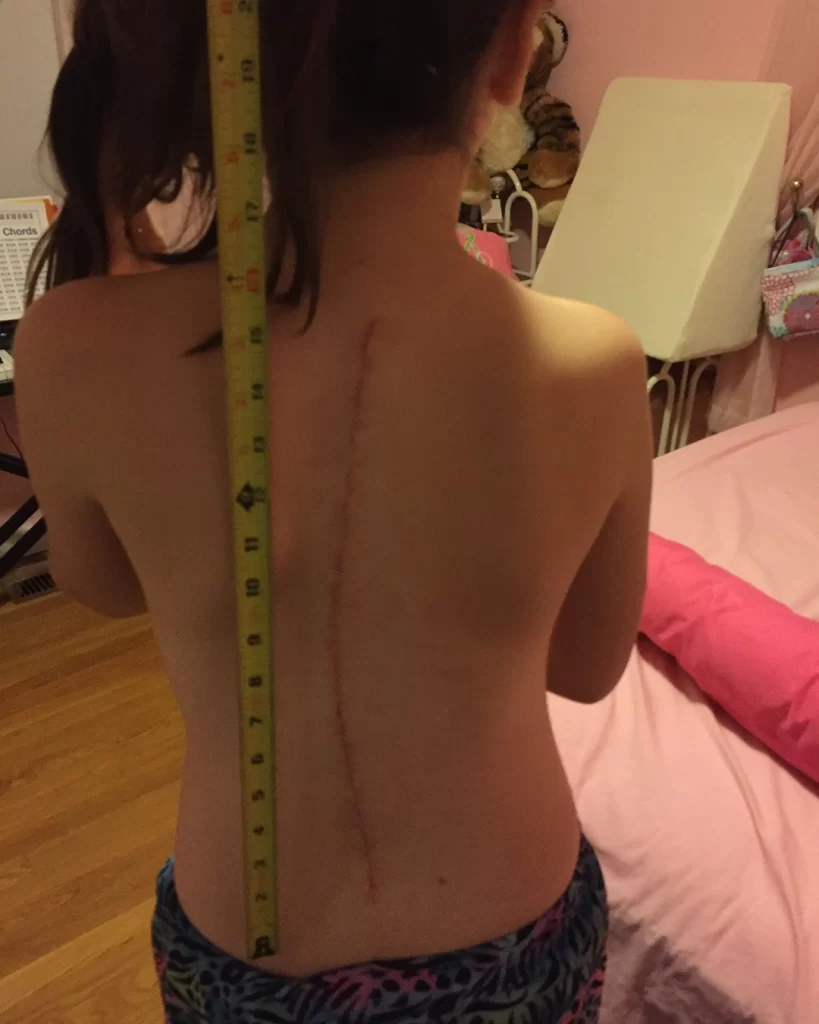
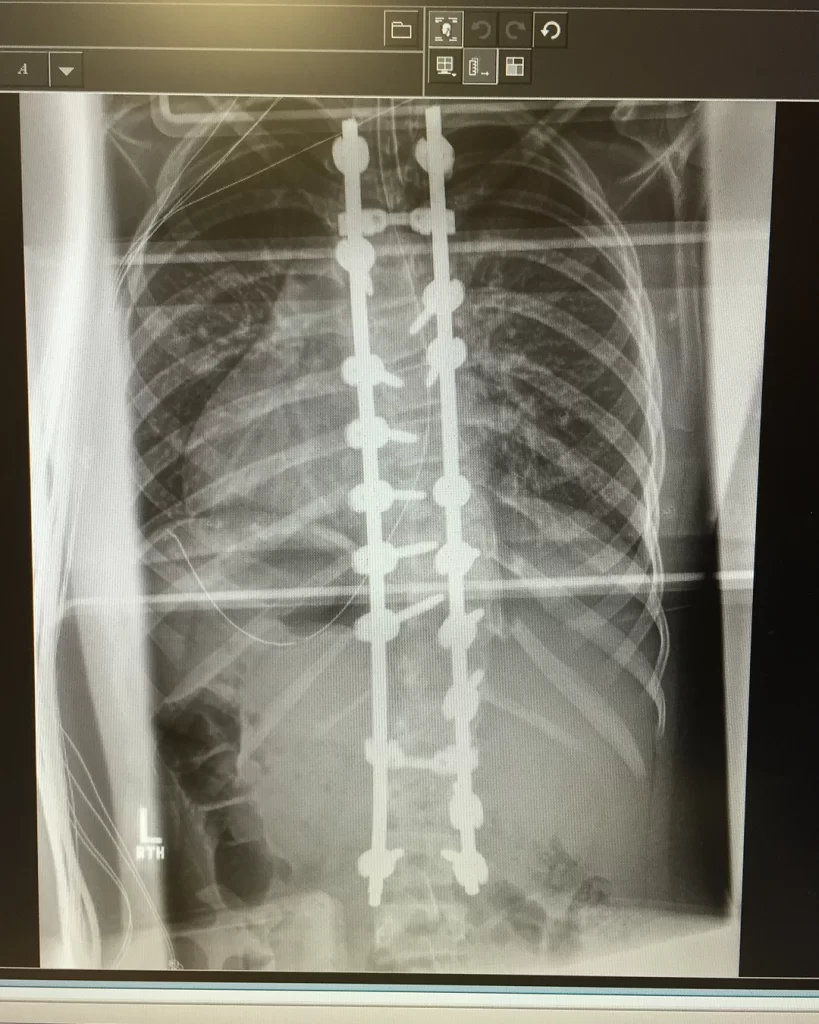
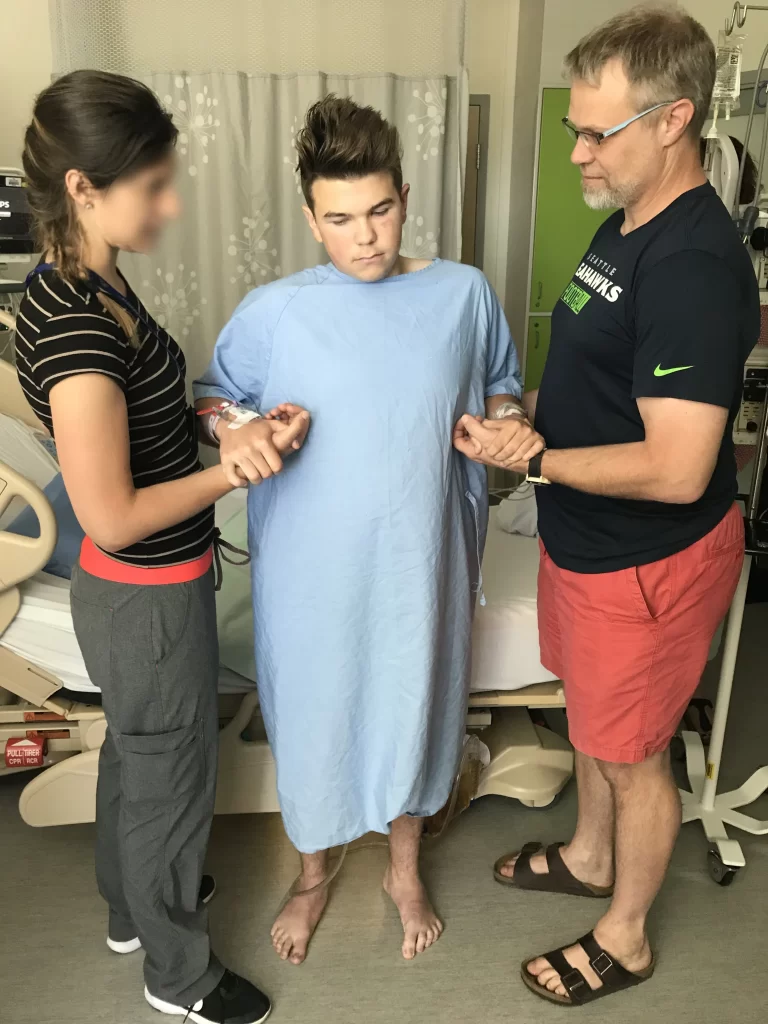
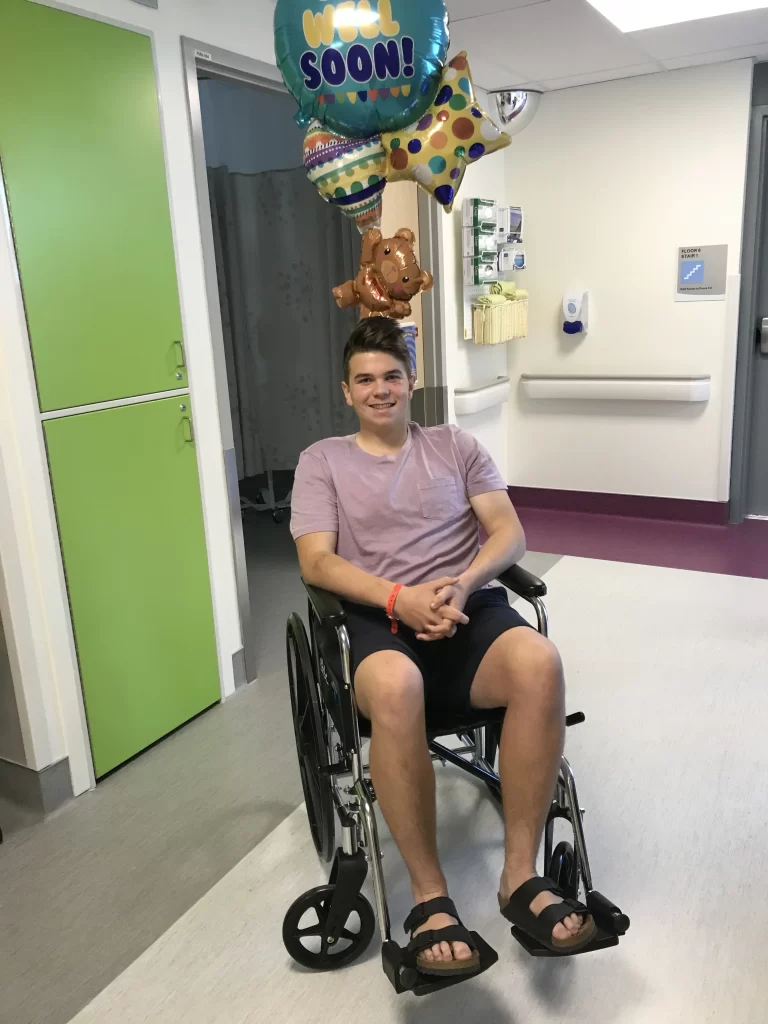
Recovering from surgery is not linear; there are good days and bad days, and sometimes serious setbacks like what Abby experienced. After my surgery, I spent eight days in the hospital and came home at the end of July. This was quicker than the doctors had anticipated, but I hit the markers necessary to be discharged: using the washroom on my own, getting off high-dosage pain killers, and eating consistently. Getting home was the first hurdle. I lived in Victoria, but I had my surgery done at BC Children’s Hospital in Vancouver. So, to get back home, we had to take a ferry and drive for a couple of hours. Having your back cut open and then sitting in a car for a few hours eight days later is not ideal. On the ferry back to Victoria, I needed to use the washroom, but I was too exhausted to open the door. It was humbling and made me realize how long this recovery would be.
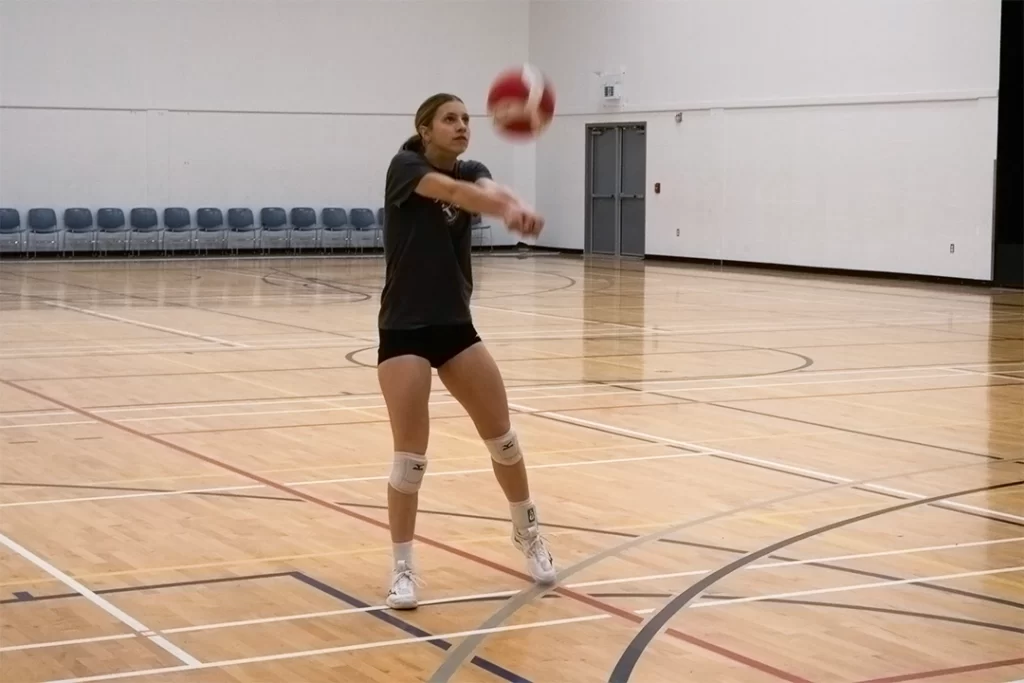
As Avery entered her early teens, she had to learn to balance living an active life with wearing a brace. Her life centered around volleyball, but she had to figure out her limits. “For me, it was always challenging. Not during the sport but after. When playing, adrenaline would mask the pain, but as it started to fade, discomfort would start to take over again,” she said. Dealing with back pain and her brace was hard both mentally and physically, but Avery was able to find ways to make it work so that she could continue to play her favourite sport — but she didn’t have anyone with a similar experience to guide her. “I honestly didn’t know a lot of people who had it,” Avery said.


That lack of support and connection with people who have similar lived experiences isn’t uncommon, but finding it can be vital. According to a 2025 CBC article, peer support can be key when it comes to dealing with medical problems, especially chronic pain. In an article written by the Society of Pediatric Psychology, roughly five to ten per cent of youth experience chronic pain that results in them missing school, decreases physical activity, hinders participation in social activities, and negatively impacts their overall mental and physical health. When I look back on my childhood experience with scoliosis, chronic pain, and the year leading up to my surgery, peer support is what I was missing.
I went into my surgery with no idea what life would be like after. If I’d heard real life experiences of what I was about to go through, I would’ve been more prepared. According to an article by BraceWorks, an organization in Alberta that specializes in orthopedic and musculoskeletal bracing options, peer support and hearing people’s lived experiences is crucial when dealing with the psychological impacts of living with scoliosis.
Even though Avery lacked peer support from people who shared lived experiences, she was able to find support in her family. They didn’t know exactly what her experiences were, but they walked alongside her, went to appointments with her, and lived with her through the challenges she faced. “If you’ve got a good family who’s loving and supportive, those are the kids that tend to go for bracing,” says Dr. Penny. ”It’s their parental love and support; that’s the biggest thing.”
Along with physical effects, living with scoliosis can have significant psychological impacts. According to the BraceWorks article, 32 per cent of adolescents who wear a brace suffer from lower self-esteem. It can make clothes fit awkwardly and make you feel uncomfortable in your own skin. “I honestly hated wearing it,” said Avery. “It was super uncomfortable and it’s poking you everywhere. [Because of that] I would wear big clothes all the time.” As unpleasant as the brace felt, for Avery, much of the discomfort was internal. “I don’t think anybody else ever made me feel bad about it, but I think I made myself feel bad about it because it’s different,” said Avery.
When I wore a brace, I dealt with body image issues. It contorted my body in uncomfortable ways: my clothes didn’t fit right, I was constantly hot and sweaty, and the way the brace squeezed me made my chest bulge. With surgery, I experienced the feeling of missing out. I had to spend my days recovering and getting stronger instead enjoying my senior year of high school. I was forced to adapt and come to terms with the situation I found myself in.
Even at 10, Abby knew the recovery from her surgery was going to be long and hard. Throughout the process, her mindset was to take it one day at a time, especially while she was bedridden for the first six months after surgery. “I remember literally only getting up [for] my mandatory walk and to use the bathroom. That was the only time I could get up because I was in so much pain,” she said. This was hard, but she would eventually begin to see progress and reach some milestones.
She was able to walk with a little less pain and discomfort each day. Eventually, she got approval from her doctor to do more activities. “I remember the ecstatic feeling of them saying, like, okay, obviously you’re still going to experience a lot of pain, but you’re cleared for doing normal activities,” she said. “I knew that it would be painful, and I knew that it would hurt, but I was so excited, I didn’t care, I could walk and get out and play with my friends.”
Once Abby got the thumbs up from her surgeon, the next big task was figuring out how to manage life with chronic pain and the fatigue that comes along with it. “There was a lot of exhaustion involved and a lot of pain in my shoulder blades post-surgery,” said Abby. As time went on, Abby could feel her body getting stronger. “I continued to heal and I experienced that pain less and less,” said Abby. With daily exercises, getting massages, and pushing it a little bit more each day, Abby saw progress.
After years of wearing a brace and successfully balancing her scoliosis with her active lifestyle, Avery, at 15, could stop wearing her brace. She was done growing and the curvature was held in place. Without the mental and physical barrier of a brace, she could start to live a bit more freely. But even without it, the scoliosis — and the pain that goes with it — is something she continues to live with.
Now 19, Avery stays as active as she can. “Something important that my doctor always told me was the best thing that you can do is stay active. If you’re going to remain sedentary, it’s going to be more uncomfortable,” said Avery. She realized that discomfort and pain will be a part of her life, but she doesn’t need to let it hinder what she does. “I think just staying active and knowing it’s going to be uncomfortable at times, but still doing the things that you love, like it’s not worth it to just stop,” she said.

Abby is now 20 years old. She recently did something she never thought would be possible: walk down the aisle at her wedding in heels. It has been almost nine years since her surgery, and Abby’s daily life and experience with pain have improved drastically. “I don’t feel that shoulder blade pain anymore. I don’t get the leg cramps every time I walk, and I can do pretty much anything anyone else can except bungee jump and touch my toes,” she said. Abby has found that what works for her is listening to her body to best manage pain and exhaustion. “I do still feel exhaustion in my back relatively easily, where I’m just like, okay, I need to sit down or it’s going to start hurting.”
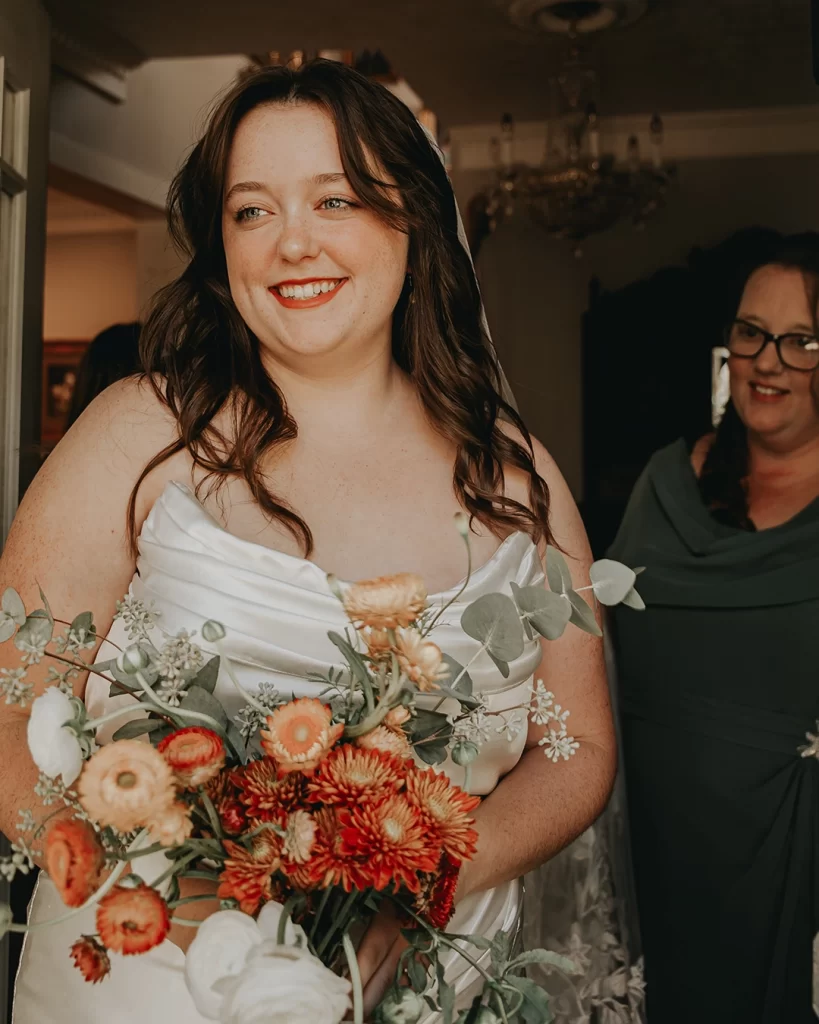
Abby wishes she could talk to her ten-year-old self. “I think if I could go back in time and see, you know, ten-year-old me in a hospital bed, I think really the only thing that I could genuinely say is, ‘I promise it gets better.’ That one day she will be up and running around and will be able to sit up in bed without any help,” she said. Abby has learned two lessons that she still holds close today: to listen to her body and be comfortable with pain.
“Sometimes my back tells me you need to slow down girl, you need to rest,” said Abby. Her natural instinct is to push through, get up and resume life as usual, but that’s not how recovering from major surgery works. “You have to let yourself be hurt in order to get better.”
Even for people on the other side of scoliosis treatment, like Abby, Avery, and me, managing this condition doesn’t end. Life is about the tension between proactive living to best manage pain and celebrating the wins and milestone along the way. For Avery, this means staying active, doing core exercises and daily strengthening to support her back. While her gym routine may look a little different from others, she is showing up and making progress. For Abby and me, we prioritize rest and slowing down when our backs are starting to reach their limits. Part of my daily routine is taking a hot bath to relax my muscles and working with doctors at a pain clinic. As a kid, my life was directly affected by my brace and its limitations. As a teen, my life was forever changed by spinal fusion surgery. Now as a young adult, I find myself with different hurtles. While I’m limited by pain, I am close to graduating from post-secondary school and ready to start my career. My life will always be marked by scoliosis, but I continue to work each day to make the most of it.